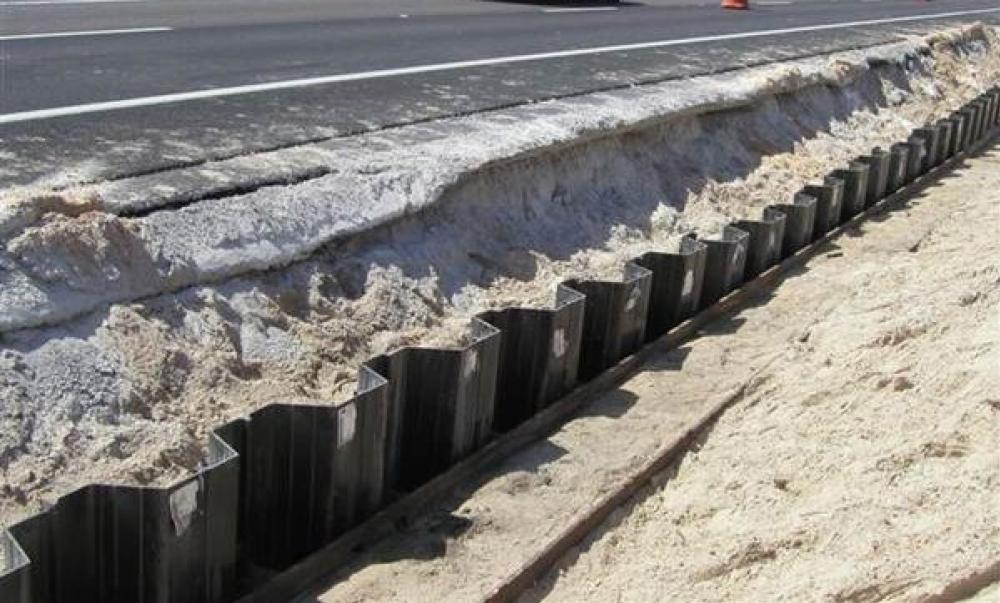
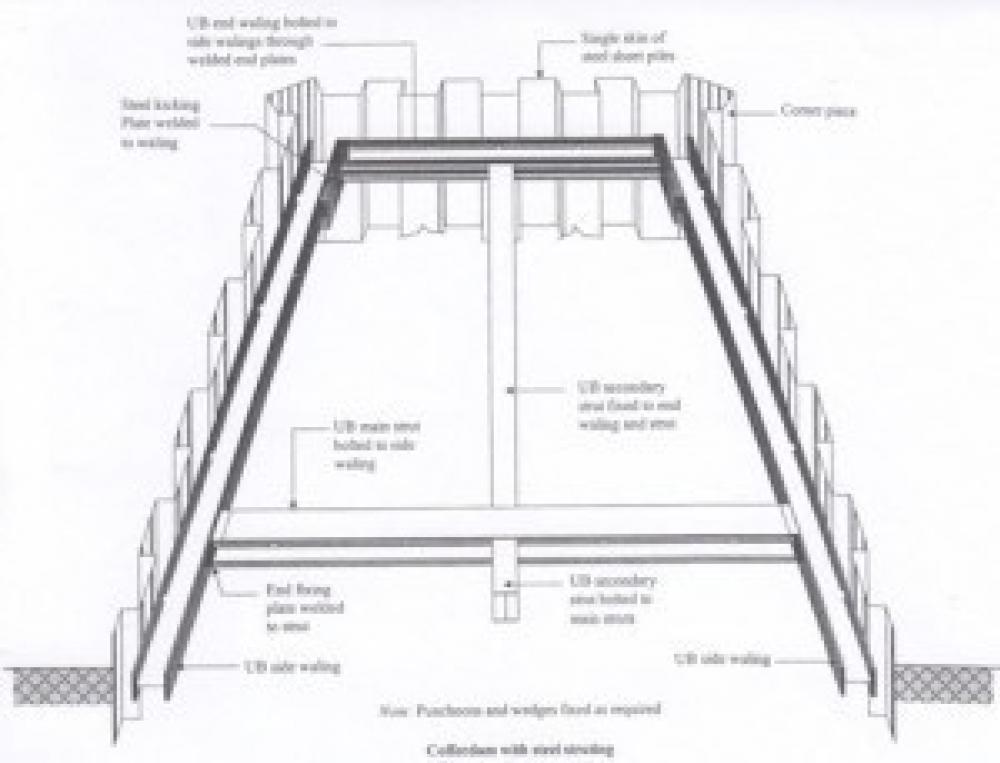
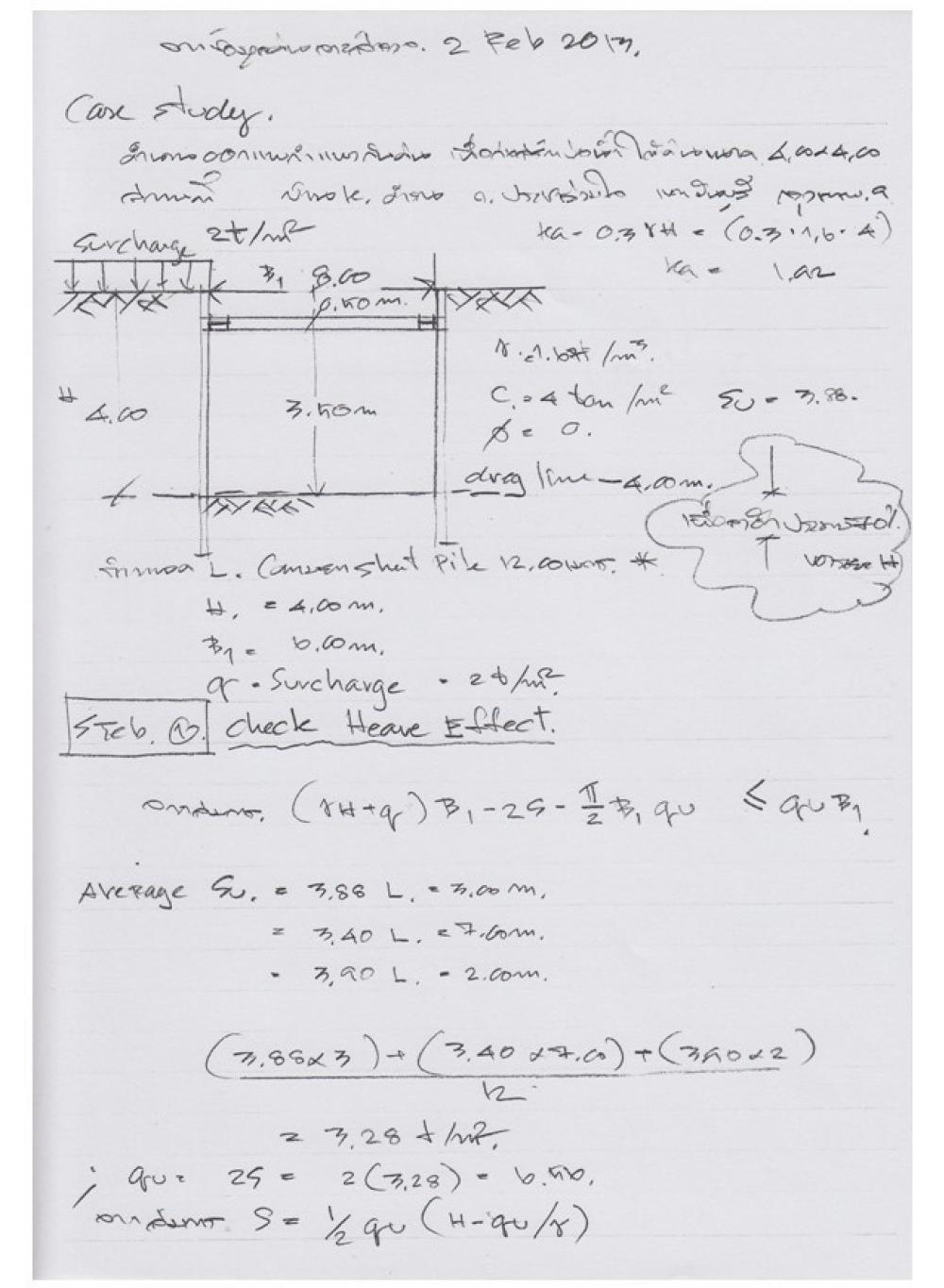
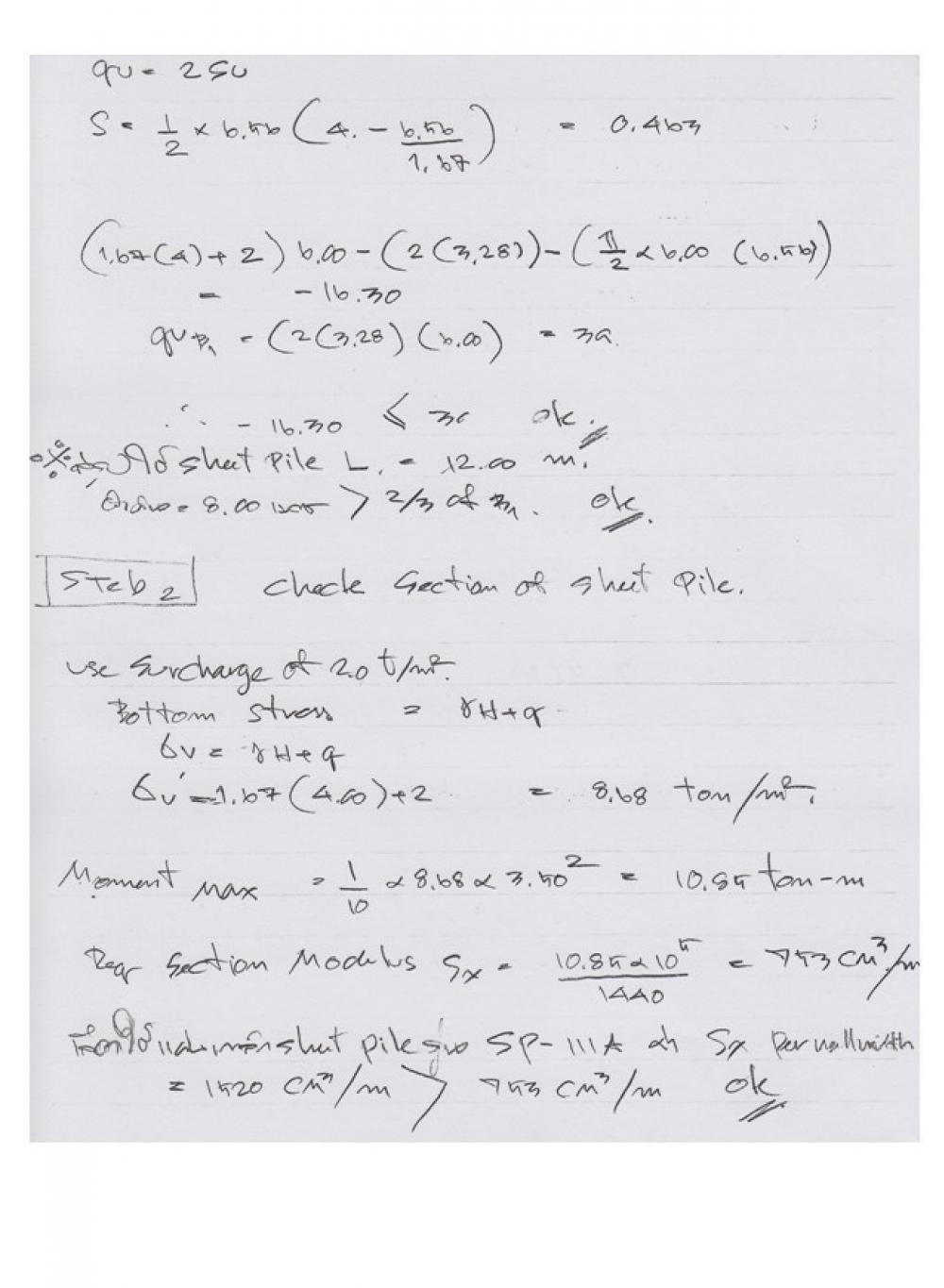
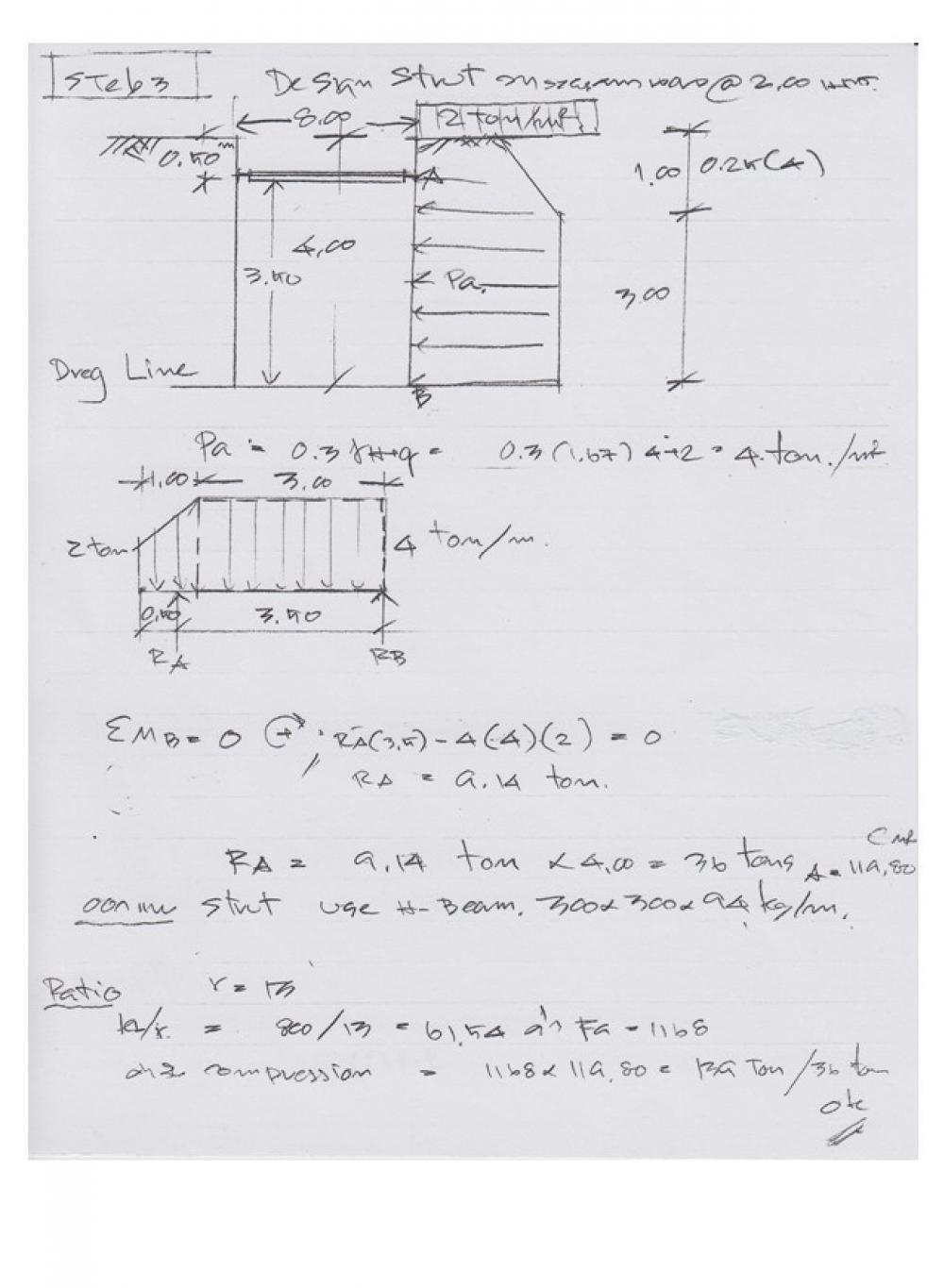
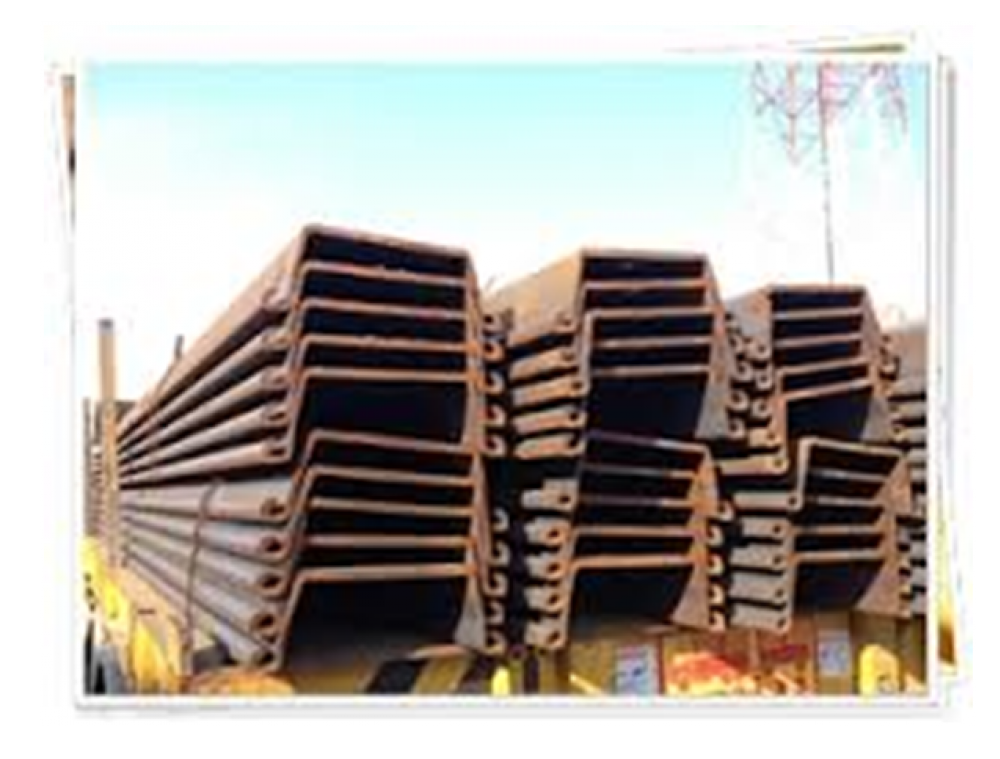
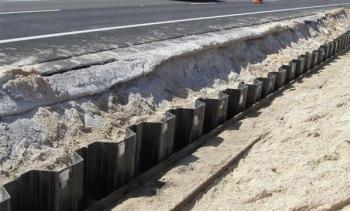
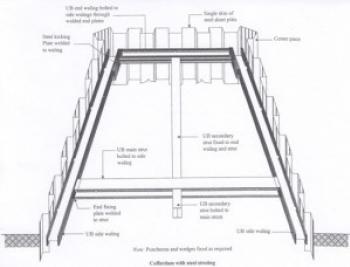
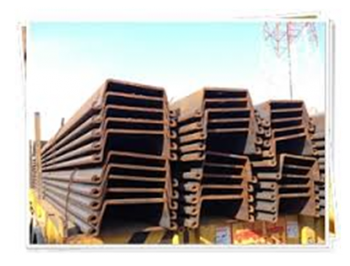
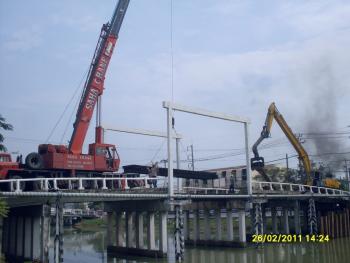
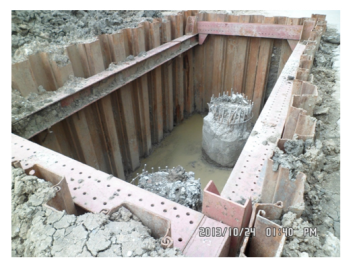
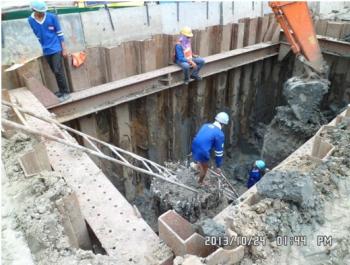
การก่อสร้างอาคารหรือสิ่งก่อสร้างที่มีขนาดใหญ่ ในพื้นที่อันจำกัด ต้องมีการสร้างระบบกำแพงกันดินเพื่อป้องกันการพังทลายของดินเมื่อต้องขุดดินลงไปก่อสร้างฐานรากของอาคารหรือ ฐานรากของเสาตอม่อ ( Pylon ) รถไฟฟ้าที่ต้องก่อสร้างฐานรากในพื้นที่อันจำกัด และยังมีน้ำหนักจากยานพาหนะที่สร้างแรงสั่นสะเทือนจนเกิดผลกระทบต่อการเคลื่อนตัวของดินรอบๆ หลุมขุดที่จัดทำไว้ เพื่อลงไปทำงานโครงสร้างใต้ดินเป็นที่ทราบกันว่าชั้นดินในเขตกรุงเทพมหานคร ลึกลงไปจากผิวดินประมาณ 10.00-12.00 เมตร เป็นดินเหนียวที่ไม่มีค่าความเชื่อมแน่น และรับแรงเฉือนได้น้อย เมื่อมีการก่อสร้างใต้ดิน ระบบโครงสร้างชั่วคราวป้องกันดินพังจึงต้องถูกนำมาใช้ แผ่นเหล็กชีทไพล์ ( Sheet Pile Walls ) เป็นโครงสร้างป้องกันดินรูปแบบหนึ่งที่ถูกเลือกใช้ รูปแบบของ Sheet Pile Walls มีด้วยกันหลายแบบดังนี้ Cantilever sheet pile Walls เป็นการตอกฝังแผ่นผนังให้จมลงไปในดินระยะที่ปลายล่างของผนังยึดแน่นและรับแรงดันดินด้านข้างได้โดยไม่ล้มตัวลง Anchored sheet pile Walls มีลักษณะคล้ายแบบ Cantilever sheet pile Walls แต่เพิ่มการใช้ Anchor หรือ Tie Rod เป็นตัวยึดส่วนบนของผนังกันดินเข้ากับดินหรือวัสดุที่มีการน้ำหนักถ่วงไว้ Brace Cuts หรือ Brace Cofferdam ความมั่นคงแข็งแรงจะขึ้นอยู่กับตัวค้ำยัน ( strut ) ซึ่งแผ่นเข็มพืดจะถูกตอกลงไปก่อนการขุดและติดตั้ง Wale และ Strut ที่ระดับที่ออกแบบไว้ก่อนการขุดซึ่งในที่นี้จะกล่าวถึงการใช้วิธีการใช้ Sheet Pile ระบบ Brace cut เป็นหลักเพราะเป็นระบบที่พบเห็นทั่วไปในการก่อสร้างในเขต กรุงเทพฯโดยจะกล่าวถึงทฤษฎีการออกแบบเพียงเล็กน้อยเพื่อให้ ทราบถึงหลักการ แนวทางในการออกแบบพร้อมแสดงรายการคำนวณ
1. หลักการออกแบบระบบผนังกันดิน
1.1 แนวทางในการออกแบบ ในการออกแบบ Sheet Pile ในระบบ Brace Cut ในดินเหนียวอ่อนมีข้อคำนึงถึงดังนี้
1) แผ่น Sheet Pile ต้องสามารถต้านทานแรงกระทำด้านข้างจากดิน แรงดันน้ำ SurCharge โดยปราศจากการเกิด Buckling ในแผ่น Sheet Pile
2) ในโครงสร้างของระบบ Bracing ต้องแข็งแรงเพียงพอที่จะต้านทานการเคลื่อนตัวของดิน
3) เพื่อหลีกเลี่ยงการเคลื่อนตัวของดินโดยรอบควรใช้ระบบ Pre-Load หรือ Jacking กับ Strut
4) Bracing ยังสามารถถ่ายน้ำหนักไปยังโครงสร้างถาวรและไม่ทำให้โครงสร้างถาวรเกิดอันตราย
5) Sheet Pile ควรสามารถถอนขึ้นมาใช้ได้อีก ( Re-use )
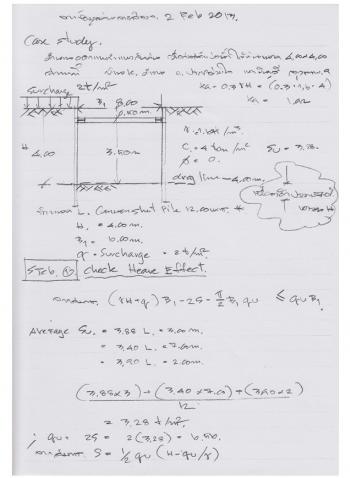
1.2 การคำนวณแรงดันดินด้านข้าง ของระบบ Sheet Pile With Brace Cut ซึ่งประกอบด้วยแรงดันจากมวลดิน ถ่ายผ่านเม็ดดิน และแรงดันน้ำเข้าสู่ Sheet Pile จำเป็นต้องทราบถึงรูปแบบการวิบัติ เพื่อนำไปสู่การจำลองชนิดของการคำนวณ ( Model Simulation ) ให้ใกล้เคียงกับความเป็นจริง ในระบบ Sheet Pile With Brace Cut การออกแบบต้องคำนวณถึงแรงดันทางด้านข้าง ( Total horizontal Stress ) การเกิด Heave ในบริเวณที่ขุดดินออกไป และ เสถียรภาพของระบบ Sheet Pile ทั้งหมด ( Overall Stability ) การวิบัติที่จะเกิดขึ้นได้ในระบบนี้คือการเกิด Heave ในบริเวณหลุมขุดโดยเฉพาะอย่างยิ่งในโครงการที่การขุดเป็นบริเวณกว้าง และเกิดการเคลื่อนตัวของดินโดนรอบ กำแพง Sheet Pile With Brace Cut ในกรณีที่เกิดการเคลื่อนตัวมาก จำเป็นต้องใช้ระบบกำแพงกันดินที่แข็งแรงกว่า
รูปแบบของ Diagram แสดงแรงดันดินใน Sheet Pile With Brace Cut ที่นิยมใช้มากที่สุด เป็น Diagram ที่นำเสนอโดย Peck ( 1969 ) โดยแยกเป็นสมการเพื่อหา แรงดันในทรายและแรงดันในดินในสภาพ Undrained Cohesion ค่า Ø = 0
2. การออกแบบ Braced Cuts ในการออกแบบ Braced Cuts จะออกแบบแต่ละชิ้นส่วนใน Braced Cuts หลังจากทราบค่าแรงดันด้านข้าง ( Lateral Eath Pressure ) รายละเอียดของการออกแบบแต่ละส่วนมีดังนี้
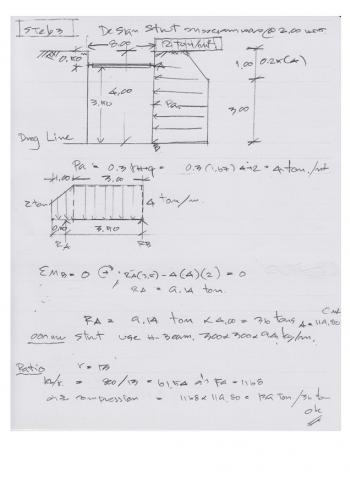
2.1 การออกแบบ Strut Strut เป็นชิ้นส่วนประเภทเสารับแรงอัดวางในแนวนอนที่รับ Bending Moment โดยมีระยะห่างในแนวดิ่งไม่น้อยกว่า 2.75 เมตร และการรับน้ำหนักของ Strut จะขึ้นอยู่กับค่า Slenderness Ratio L/R ของชิ้นส่วนที่จะสร้างเป็น Strut คำนวณหาแรงปฏิกิริยาที่กระทำสู่ Strut จากผนังแผ่น Sheet Pile เมื่อทราบค่าของ Strut Load แล้วสามารถคำนวณหาขนาดหน้าตัดและความยาวของ Strut โดยวิธีการออกแบบชิ้นส่วนรับแรงอัด
2.2 การออกแบบ แผ่น Sheet Pile
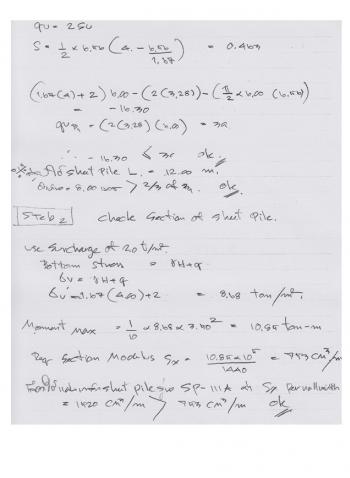
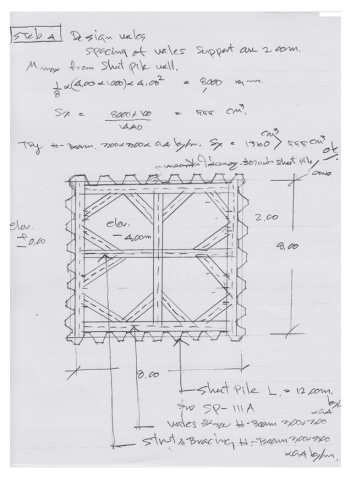
1) ออกแบบโดยการพิจารณาค่า Bending Moment สูงสุดที่กระทำผนัง Sheet Pile / ความกว้างผนัง 1.00 เมตร
2) ค่า Bending Moment พิจารณาใช้ค่าสูงสุดที่กระทำต่อผนังใช้ออกแบบ
3) คำนวณหาค่า Section Modulus ได้จากวิธีการคำนวณหาชิ้นส่วนต้านทานแรงดัด
4) ค่า Allowable Flexural Stress ของ Sheet Pile สามารถค้นหาข้อมูลได้จากผู้จำหน่ายหรือผู้ให้เช่าแผ่น Sheet Pile
2.3 การออกแบบ Wale
1) Waleเป็นชิ้นส่วนที่เป็นคานต่อเนื่อง คือมี Support ที่ตำแหน่งของ Strut แรงที่กระทำสู่Wale คือแรงดันดินถ่ายผ่าน ผนังแผ่น Sheet Pile เป็นลักษณะ Linier หรือ Distribution Load
2) คำนวณหาค่า Bending Moment
3) คำนวณหาค่า Section Modulus และทำตามวิธีคำนวณชิ้นส่วนรับแรงดัด แต่ควรเลือกหน้าตัดให้มีขนาดเท่ากันกับ Strut เพื่อความสะดวกในการเชื่อมยึดกัน
3. ข้อพิจารณาในการก่อสร้างระบบโครงสร้างกำแพงกันดิน Sheet Pile With BraceCut
1) แนวการตอกเหล็กแผ่นพืด ( Sheet Pile) ต้องอยู่ห่างจากขอบฐานรากโดยมีระยะพอเพียง สำหรับการติดตั้งและรื้อถอนไม้แบบฐานราก
2) เสาค้ำยันหลัก ( King Post ) ที่ทำการตอกเพื่อรับน้ำหนักที่ถ่ายจากค้ำยัน ( Strut ) ต้องมีความยาวตามกำหนดและได้แนวดิ่ง
3) ค้ำยัน ( Strut ) และรัดรอบ ( Wale ) ต้องได้แนวตรงเพื่อให้สามารถถ่ายแรงได้ตามแนวแกนตามวัตถุประสงค์
4) แนวการเชื่อมของโครงสร้างที่เป็นเหล็กต้องเชื่อมให้ได้ความยาวและขนาดการเชื่อมที่ได้รับการออกแบบ มาอย่างเคร่งครัด เพื่อความแข็งแรงและความปลอดภัยของโครงสร้าง
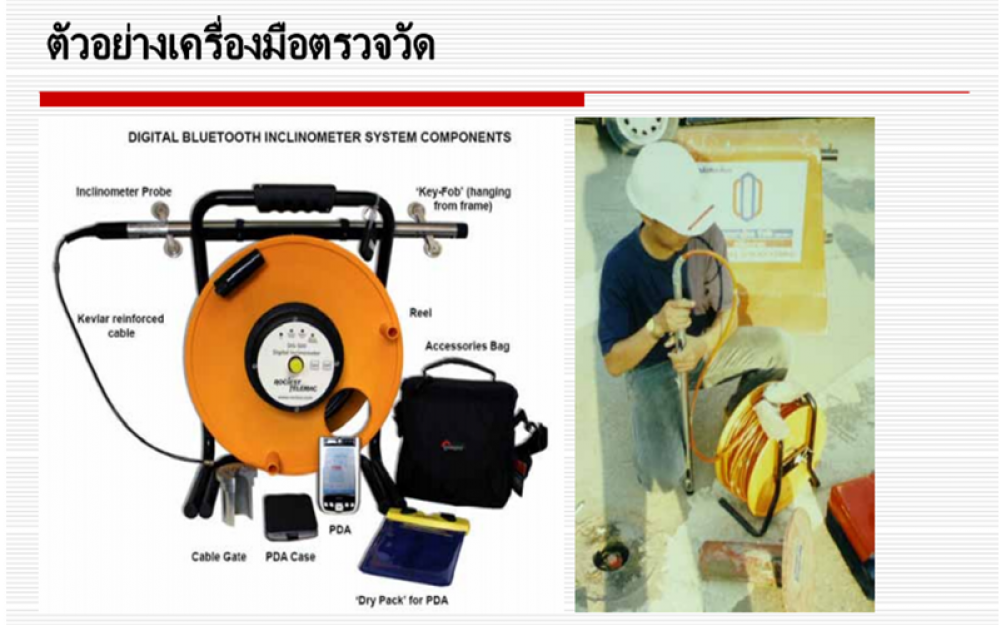
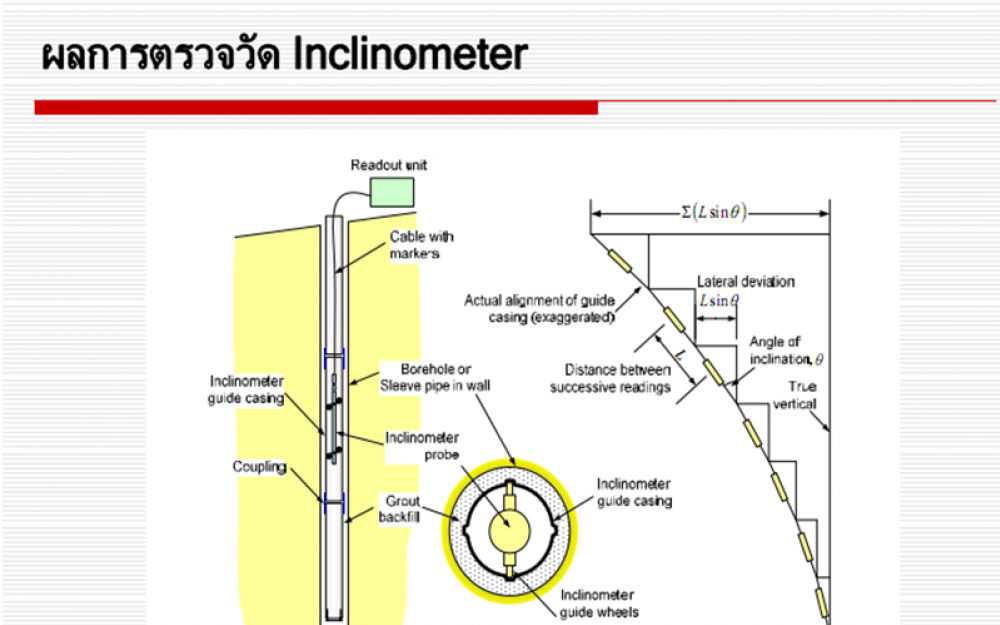
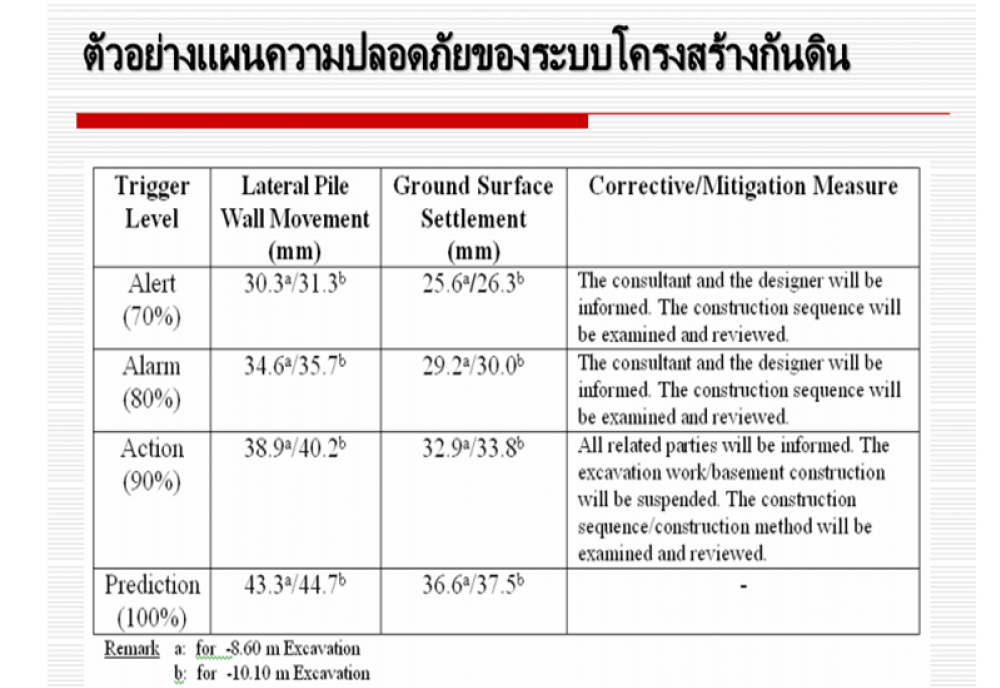
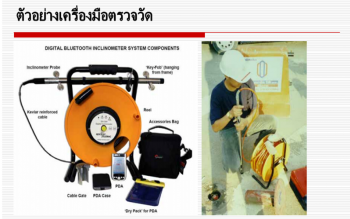
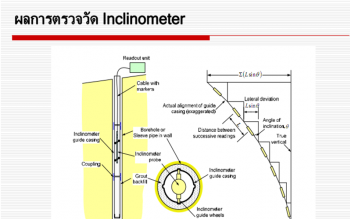
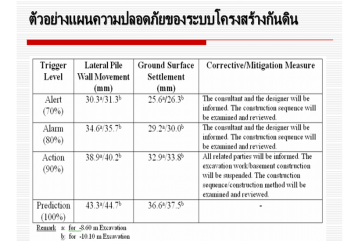
5) ภายหลังจากการติดตั้งระบบกันดินแล้วเสร็จและมีการขุดดินในหลุมขุดแล้วจะต้องมีการตรวจสอบการเคลื่อนตัวของกำแพงกันดินทุกวันก่อนทำการก่อสร้าง จนกว่าการก่อสร้างในส่วนใต้ดินนั้นแล้วเสร็จ เพื่อนำมาเป็นข้อมูลในการพิจารณาเสถียรภาพ ( Stability ) ของกำแพงกันดินว่ามีความปลอดภัยหรือไม่
4. การก่อสร้างกำแพงกันดิน
ก่อนลงมือก่อสร้างจะต้องศึกษารายละเอียดในแบบทั้งหมด ให้เข้าใจอย่างชัดเจนก่อนการทำงาน
วิธีการก่อสร้างมีขั้นตอนดังนี้
1) ต้องสำรวจหาข้อมูลว่าบริเวณใต้ดินนั้นๆมีระบบสาธารณูปโภคอยู่หรือไม่เช่นท่อไฟฟ้า ท่อประปา ถ้ามีต้องทำการเคลื่อนย้ายให้พ้นจากแนวพื้นที่ก่อสร้างก่อน เพื่อป้องกันความเสียหายที่จะเกิดขึ้น
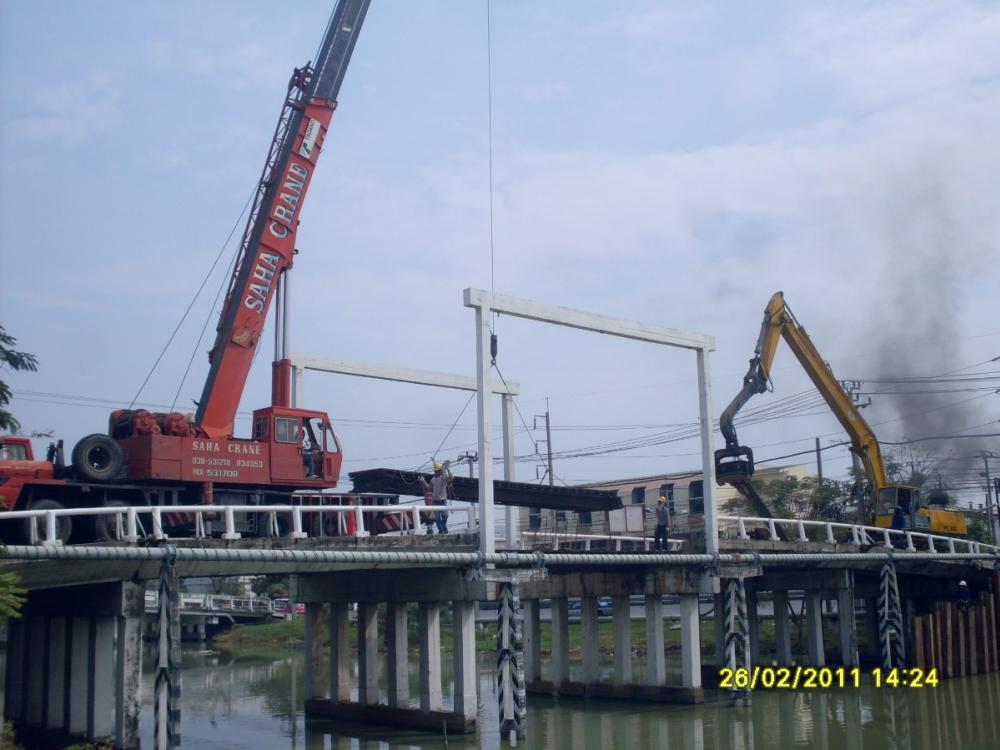
2) เลือกเครื่องมือให้เหมาะสมกับสภาพหน้างานเช่น เครื่องตอกและถอนแผ่นเหล็กพืด ( Sheet Pile) ในปัจจุบันนี้นิยมใช้รถแบคโฮขนาด PC300 , PC500 ติดตั้งหัวไวร์โบร์ ( Vibro Hammer ) ซึ่งมีความสะดวกในการเคลื่อนย้าย และทำงานตอกและถอนแผ่นเหล็กพืด ( Sheet Pile) ใช้พื้นที่ในการทำงานไม่มากนักเทียบกับเครื่องจักรแบบเดิมที่เป็นรถเครนตีนตะขาบ ( Crawer Crane ) และควรจัดพื้นที่สำหรับทางขนส่งดินขุดออกจากหลุมขุดด้วย
3) ทำการวางแนวการตอกแผ่นเหล็กพืด ( Sheet Pile) โดยทั่วไปให้ห่างจากแนวหล่อโครงสร้างประมาณ 1.00 -1.50 เมตรตามความเหมาะสม
4) ปักแผ่นเหล็กพืด ( Sheet Pile) ตามแนวที่วางไว้และทำการตอกแผ่นเหล็กพืด ( Sheet Pile) ทีละแผ่นให้ได้ระดับที่ต้องการ
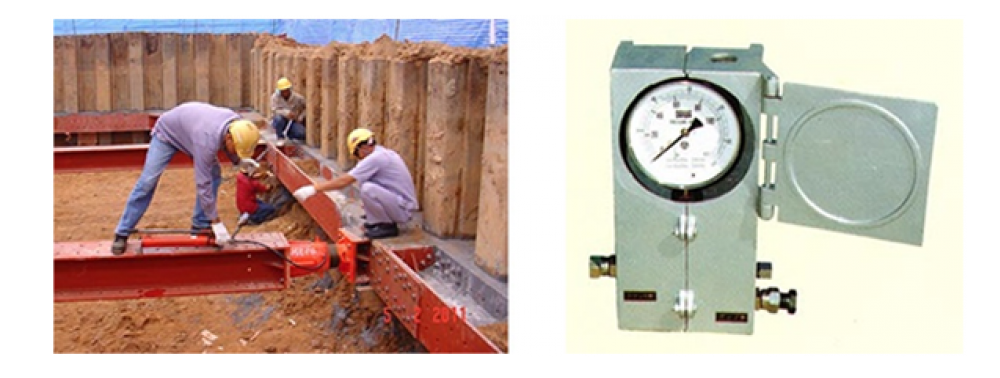
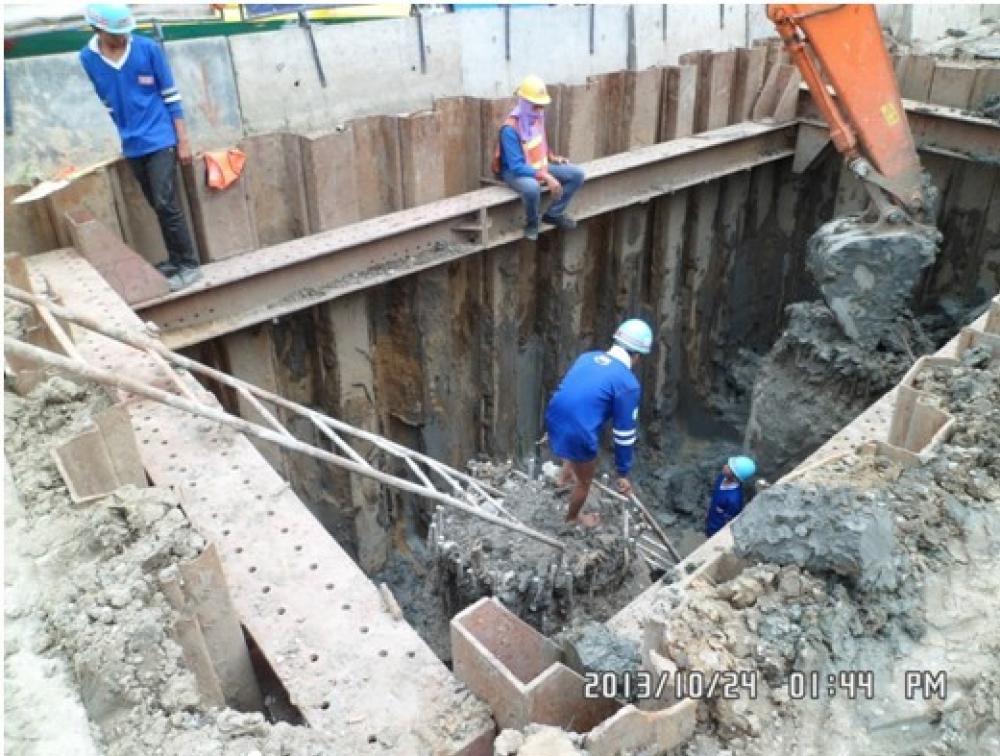
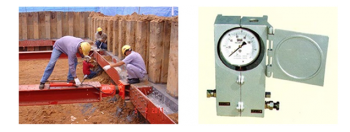
5) ติดตั้งเหล็กรัดรอบ ( Wale ) และเหล็กค้ำยัน ( Strut ) วางตามแนวที่กำหนดและทำการเชื่อมติดกันที่จุดต่อในส่วนเหล็กค้ำยันในช่วงกลางหลุมขุดต้องมีการติดตั้ง Kirin Jack เพื่อการอัดแรงค้ำยัน ( Pre-load ) ให้เกิดการอัดออกทุกทิศทางของกำแพงกันดิน ในการก่อสร้างจริงมีการทำงานเสาเข็มเสร็จก่อนการทำงานระบบป้องกันดิน ดังนั้นการขุดดินเพื่อติดตั้งระบบค้ำยันทั้งเหล็กรัดรอบ ( Wale ) และเหล็กค้ำยัน ( Strut ) ในแต่ละขั้นต้องขุดดินและตัดหัวเสาเข็มลงไปทีละชั้นด้วยเพราะเสาเข็มทำให้ไม่สามารถขุดดินลงไปได้
5. การตรวจสอบเสถียรภาพ ของกำแพงกันดิน ( Sheet Pile Wall Stability )
หลังจากที่มีการติดตั้งโครงสร้างระบบกำแพงกันดินโดยต้องมีการตรวจสอบทั้งวัสดุและวิธีการในการติดตั้งอย่างเคร่งครัดในทุกขั้นตอนการติดตั้ง หลังจากนั้นเมื่อมีการขุดดินและมีการลงไปทำงานในพื้นที่ภายในกำแพง โครงสร้างกำแพงกันดิน จะอยู่ในสภาวะรับน้ำหนักกระทำทั้งจากแรงดันดินที่พยายามเคลื่อนตัวเข้าหา หลุมขุดและมีแรงสั่นสะเทือนจากเครื่องจักรหรือการสัญจรของยวดยาน หรือน้ำหนักบรรทุก จาก Surcharge Load รวมทั้งจากน้ำฝนที่จะช่วยเพิ่มน้ำหนักกดลงในดินรอบกำแพง ที่จะส่งผลต่อการเคลื่อนตัวเข้าหากันให้เกิดการเสียรูปของกำแพง
จากปัจจัยต่างๆที่กล่าวมา มีผลที่จะก่อให้เกิดการวิบัติหรือพังลงของโครงสร้างกำแพงกันดิน ซึ่งจะเกิดความเสียหาย ทั้งชีวิตและทรัพย์สินเป็นอันมาก จึงต้องมีมาตรการควบคุมและเฝ้าติดตามไม่ให้เกิดเหตุขึ้นโดยการจัดทำแผนตรวจสอบเสถียรภาพของกำแพงกันดิน เพื่อเฝ้าระวังการเกิดเหตุ โดยตรวจสอบดังนี้
6. การรื้อถอนโครงสร้างกำแพงกันดิน
หลังจากทำการก่อสร้างโครงสร้างใต้ดินแล้วเสร็จ เราต้องทำการรื้อถอนโครงสร้างกำแพงกันดินชั่วคราวออก โดยมีขั้นตอนดังนี้
1) ถมดินลงไปในบ่อหลุมขุดให้ถึงระดับใต้ค้ำยัน
2) รื้อถอนค้ำยันและเหล็กรัดรอบออก
3) ถมดินหรือทรายให้เต็มระดับดินรอบหลุมขุด
4) ถอนแผ่นเหล็กพืด ( Sheet Pile ) ออกโดยเรียงลำดับตามแนวทีละแนว
5) ในกรณีที่มีการปักแผ่นเหล็กพืด ( Sheet Pile ) ในระดับลึกมากเช่น 10.00 เมตร ขึ้นไปควรคำนึงถึงการเคลื่อนตัวของดินด้วย วิธีหนึ่งที่จะทำการป้องกันการเคลื่อนตัวของดินคือการอัดน้ำปูน ลงไปที่ระดับปลายความลึกแผ่นเพื่อแทนที่ช่องว่างของดิน น้ำปูนมีส่วนผสมของ Cement และ Bentonite โดยต่อท่อTremie pipe และใช้เครื่อง Grout Pump อัด Cement Bentonite ลงไปในขณะที่ทำการถอนแผ่นให้น้ำปูนล้นขึ้นมาถึงพื้นด้านบน โดยมีระยะห่างการส่งท่อลงใต้ดินทุกๆ 5.00 เมตร
6) ทำการถอนแผ่นออกทีละแถวจนแล้วเสร็จ
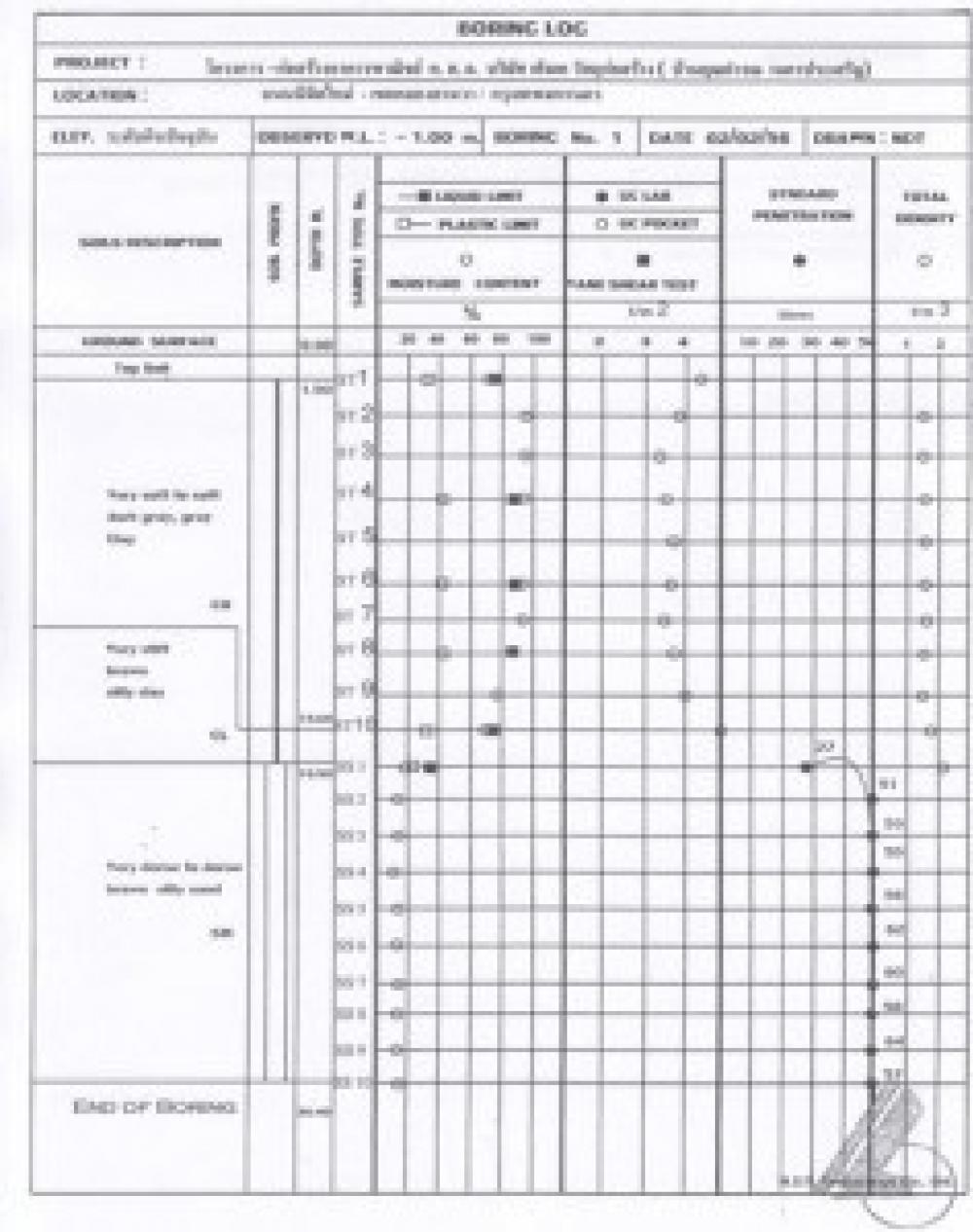
จากขั้นตอนการออกแบบและก่อสร้างระบบกำแพงกันดิน จะเห็นได้ว่าต้องอาศัยข้อมูลจากการสำรวจชั้นดิน การออกแบบจากผู้มีประสบการณ์โดยตรง และการควบคุมการก่อสร้างทุกขั้นตอนตั้งแต่การเตรียมสถานที่ วางแนวการปักตอก Sheet Pile งานติดตั้งโครงสร้างส่วนประกอบ และการอัดแรง pvc-load ด้วย Kirin Jack ซึ่งแต่ละขั้นตอนต้องควบคุมดูแลอย่างใกล้ชิด รวมถึงเมื่อมีการขุดดินภายในกำแพง ต้องมีการตรวจสอบความแข็งแรงปลอดภัยของกำแพงทั้งหมด เมื่อถึงขั้นตอนการรื้อถอน จะต้องมีการวางแผนและควบคุมให้มีการปฏิบัติตามแผนเป็นอย่างดีเพื่อป้องกันความเสียหายจากการเคลื่อนตัวของดิน
ดังนั้นเมื่อไล่เรียงทุกขั้นตอนจากต้นจนจบงานกำแพงใต้ดิน ซึ่งเป็นโครงสร้างพิเศษ ผู้ทำงานเกี่ยวข้องในทุกขั้นตอนต้องมีความชำนาญ และต้องใช้ความระมัดระวังเป็นอย่างสูง ในการปฏิบัติงาน วิศวกรควบคุมงาน ต้องเฝ้าติดตาม และตรวจสอบอย่างใกล้ชิด เพื่อให้งานทุกขั้นตอนได้คุณภาพ และความปลอดภัยอย่างสูง
 สายด่วน :